Bridging the Gap Between Fishing and Aquaculture
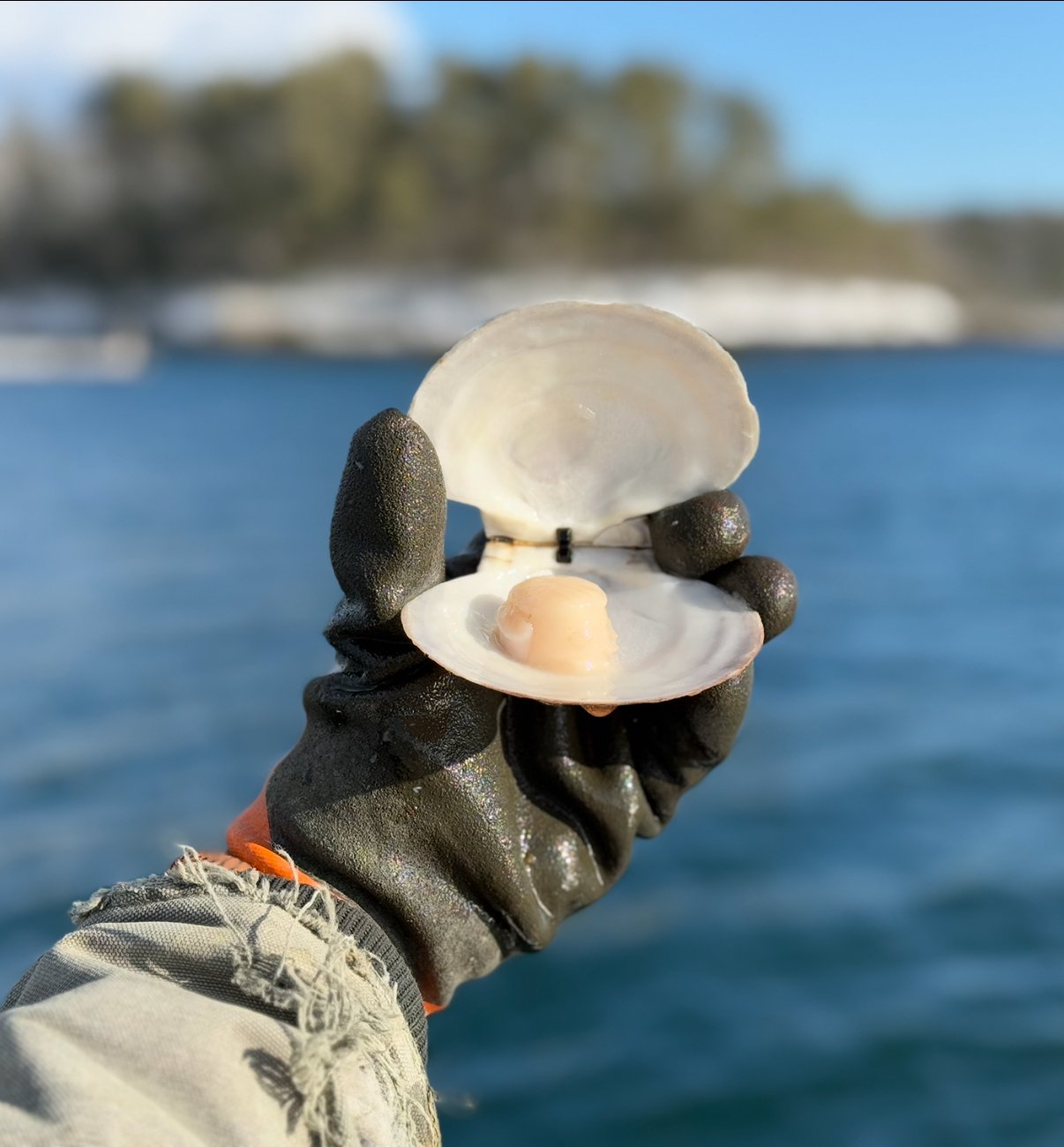
The biggest barrier to entry for Maine’s commercial fishermen looking to diversify into aquaculture isn’t usually a lack of interest. Time, permitting, and gear differences often loom over a decision to explore this emerging industry. Traditional aquaculture methods, like lantern nets for scallops, often require specialized equipment and labor-intensive grading and cleaning schedules that don't always mesh with a lobsterman's seasonal workflow. Seascale’s Maine Scallop Pot™ was built specifically to solve this problem and integrate within the lobster fisherman’s gear.
New gear, same traditions
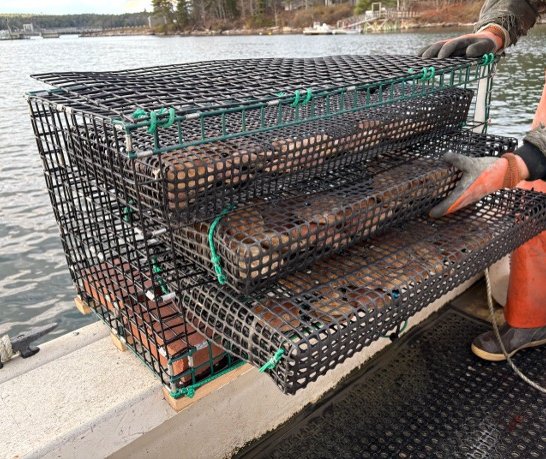
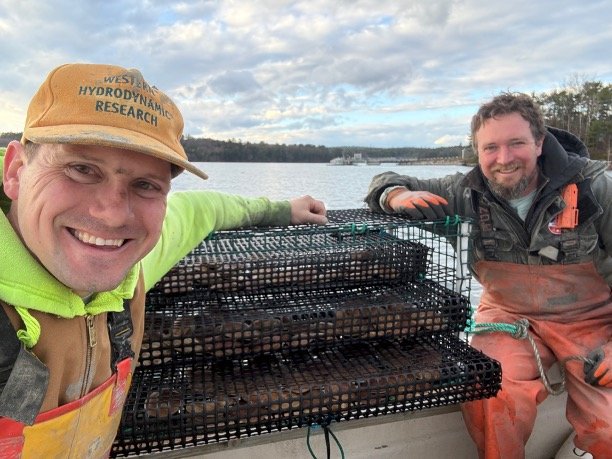
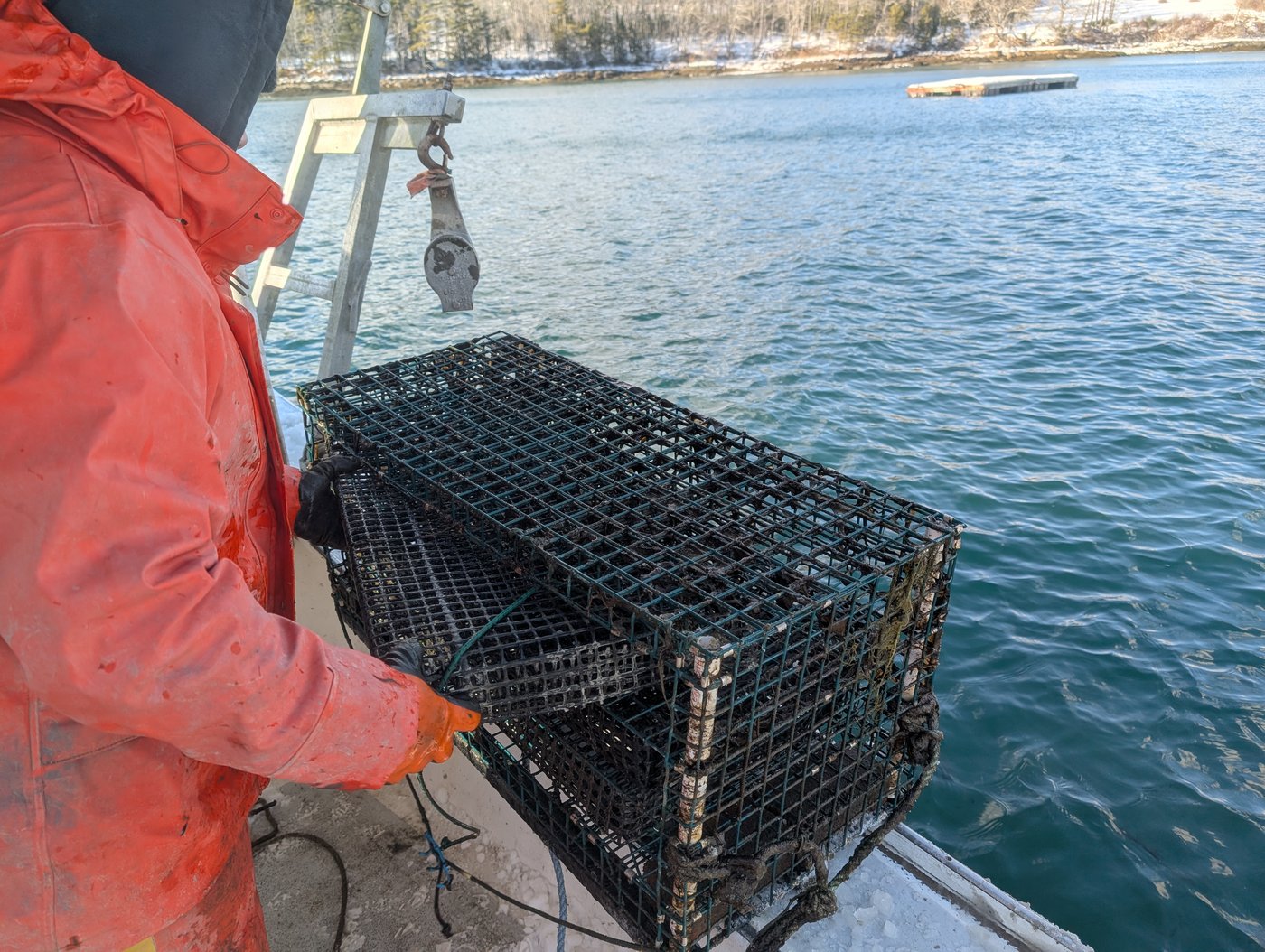
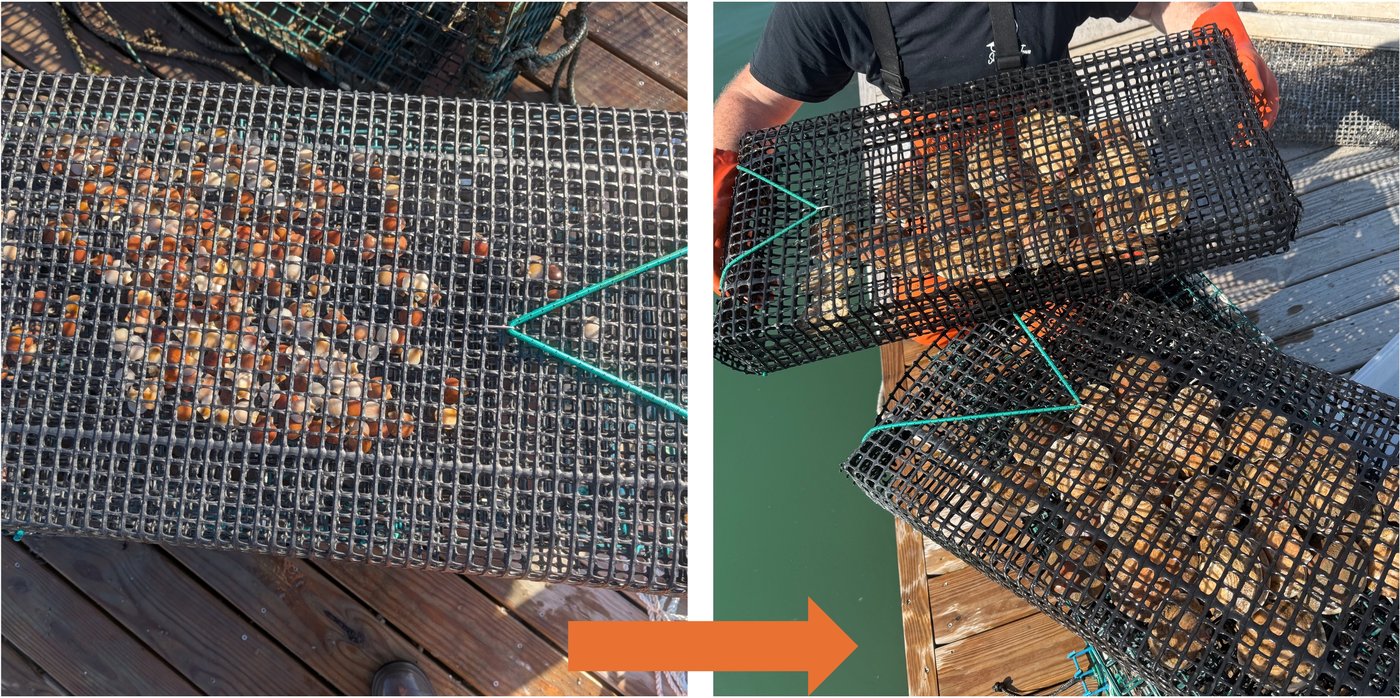
The gear itself is a clever modification of the familiar lobster trap. Manufactured in Midcoast Maine, with similar dimensions of a standard trap, 40.5 in x 18 in x 20 in, Maine Scallop Pots™ can be integrated into the daily routine of hauling and setting. Because the pot fits into the same footprints and stacks just like the gear already on a lobster boat, fishermen don’t need to modify their vessels or buy new hauling equipment. Inside, the pot holds common shellfish bags with a capacity similar to a scallop farming lantern net, but with the added protection of a rigid frame and a design that keeps the gear from sinking into the mud or landing upside down. Additionally, due to the nature of scallop farming, this method only requires hauling every 3 months for grading and sorting, adding relatively little extra time investment in the day-to-day activities of lobster fishermen.
Benefits of the Maine Scallop Pot™
One of the most innovative features of the Seascale system is its mobility. Much like lobstermen move their gear to follow the catch, the Scallop Pot could be relocated seasonally. This flexibility would help avoid gear conflict with other fishermen and ensuring the scallops are always in the best possible water conditions. By keeping the scallops on the bottom in deeper, colder water, the gear also experiences less biofouling than surface-level systems, which significantly cuts down on the labor required for cleaning.
As is often the case with new innovations to industries, the current permitting landscape is not equipped to regulate this method of ocean farming. As of now, utilizing and moving mobile gear is not allowed within any of the current aquaculture lease types. Standard leases are designed for permitting fixed gear and bottom culture operations that can have a much larger sea surface footprint than Seascale’s method which takes up the same surface area as a string of lobster pots. Momentum is building for the required policy shifts within the Department of Marine Resources and Maine legislation to allow for innovative aquaculture technology to be utilized, helping lower the barriers for fishermen to diversify.
Looking Forward
Seascale is proving that the future of Maine’s working waterfront doesn’t have to mean choosing between fishing and farming. By creating a bridge between the two, they are helping coastal communities build resilience through opportunity. Whether it’s providing a "cushion" during lean lobster years or giving the next generation of fishermen more ways to stay on the water, this gear is designed to keep Maine's maritime traditions moving forward.
Innovations articles highlight creative devices or methods on aquaculture farms. They are informed by farm visits and interviews with experienced growers. See our About page for more information.